








When Not to Trade: Why Skipping a Setup Can Be a Smart Trading Decision
Do You Need to Trade Every Day?
The stock market opens every weekday. Does that mean you need to take a trade every weekday?
No.
Yet one of the most common behavioral problems in intraday trading is the belief that being active means being productive. The market is open, so the trader starts searching. If nothing looks attractive, they search harder.
Eventually, they find something—and sometimes the only reason for entering is that they wanted to trade. A structured trading process should work differently.
Market Open ≠ Trade Required
A Trade Should Meet Your Conditions
A trading strategy exists because you have defined certain conditions.
For example:
• Market direction
• Sector alignment
• Momentum
• Price behaviour
• Technical confirmation
• Entry level
• Acceptable stop-loss
• Sufficient potential reward
If those conditions are not present, there may be no valid reason to participate.
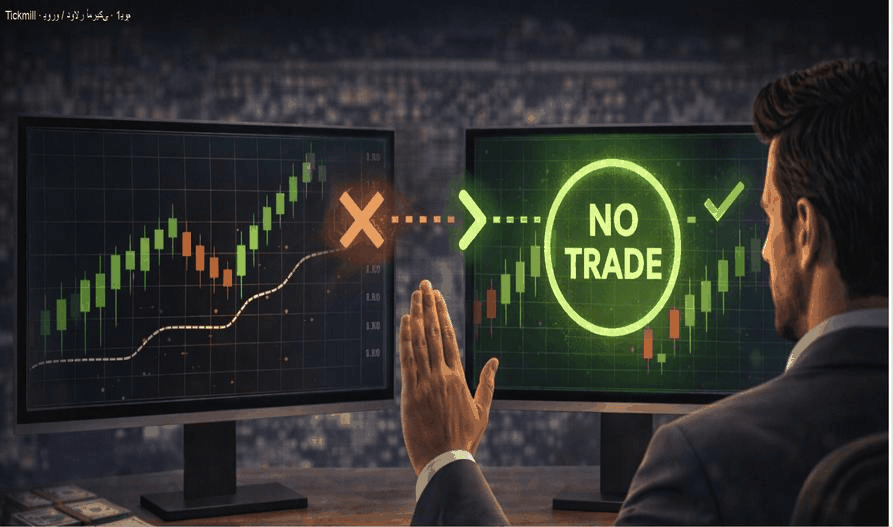
When your expected conditions are not producing a suitable setup, not taking a trade is completely acceptable.
That is a significant mindset shift.
Instead of asking:
“What can I trade today?”
Ask:
“Is the market presenting a setup that meets my conditions?”
Look at the Market Before Looking for a Trade
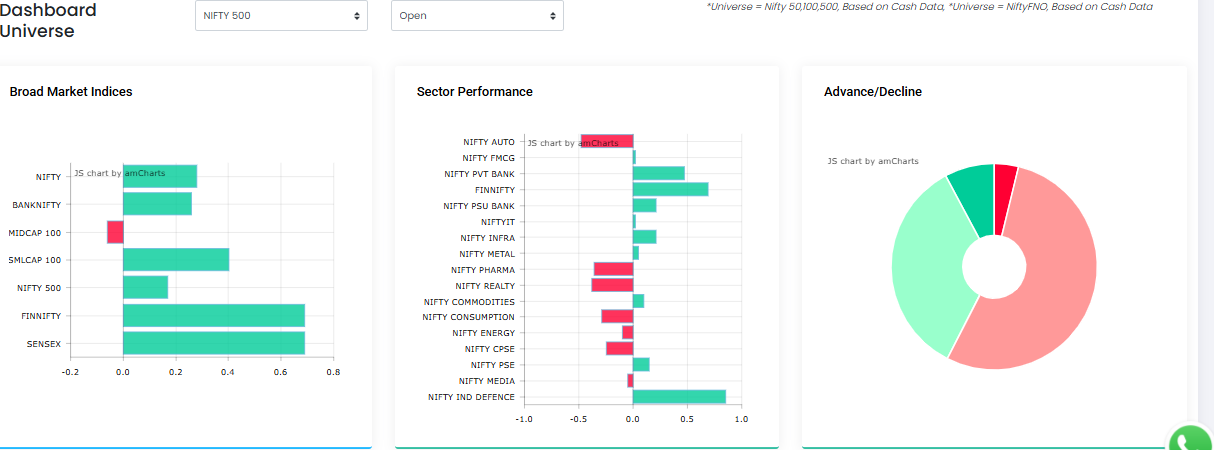
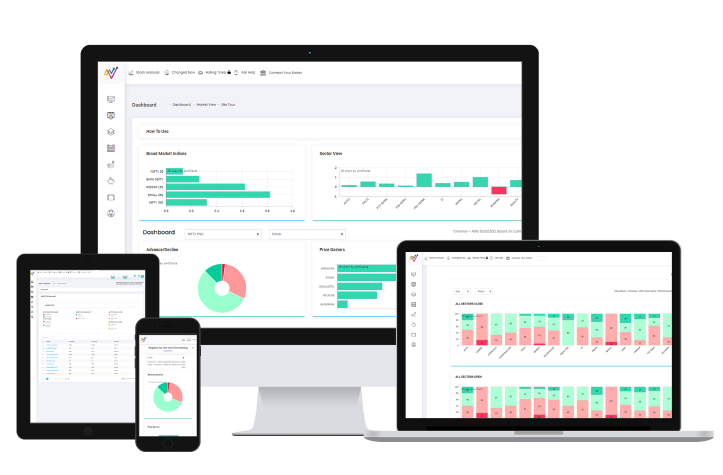
The NeoTrader Dashboard can help establish the first layer of market context.
Its advance-decline view and heat map help show whether bullish or bearish participation is dominating the broader market.
When the market is strongly directional, that environment may offer a clearer backdrop for evaluating trading opportunities.
When the Dashboard shows a relatively balanced mix of positive and negative participation, the market may be sideways or indecisive.
A balanced heat-map picture can therefore indicate that directional conviction is limited.
That itself is useful information.
The objective is not to force a bullish or bearish view onto every market session.
Sometimes the most accurate observation is:
“The market does not have a clear direction yet.”
Three Situations Where Waiting May Make Sense
1. The Market Has No Clear Direction
If the market repeatedly switches between bullish and bearish behaviour, directional trades may have less clarity.
Common signs can include:
• Frequent reversals
• Weak follow-through
• Mixed advance-decline behaviour
• Balanced bullish and bearish participation
• Repeated movement within the same price range
• Breakouts that fail to sustain
You do not have to predict which side will eventually win.
You can wait until the market provides more information.
Unclear Market → Wait for Clarity
2. The Stock Has Conflicting Signals
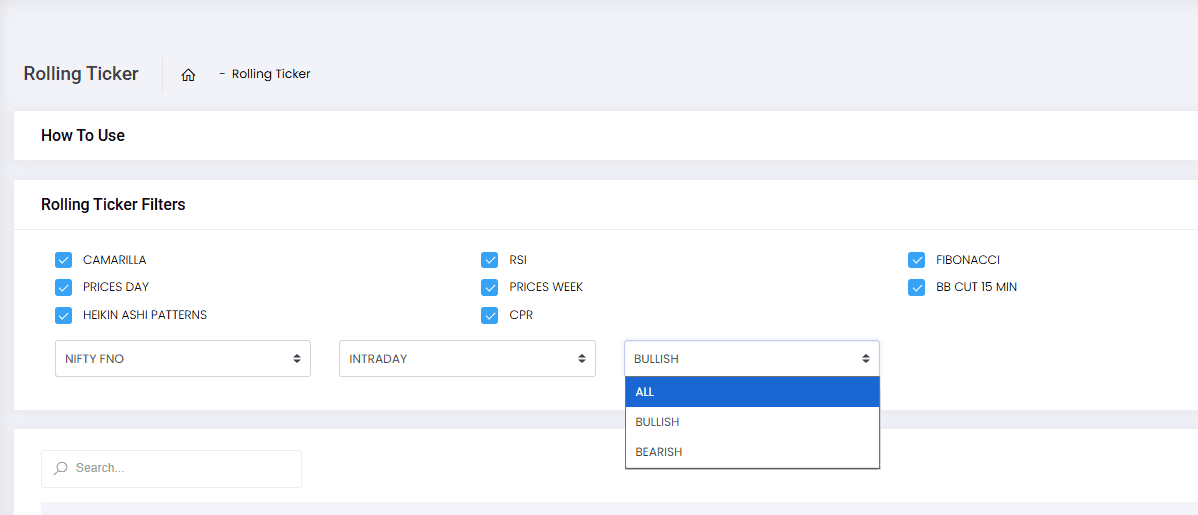
Suppose Rolling Ticker displays bullish alerts followed quickly by bearish alerts. Mixed signals may be a reason to wait for clearer confirmation rather than acting immediately. Choppy information often reflects choppy price behaviour.
Before entering, check:
• Are the signals repeatedly changing direction?
• Is the higher timeframe aligned?
• Is momentum supporting the setup?
• Is the relevant sector moving in the same direction?
• Is price trapped between nearby support and resistance?
If the answers remain unclear, the stock may not be ready for a directional trade.
No Confirmation Can Also Be a Conclusion
3. The Risk-Reward Structure Is Poor
A trade can be directionally attractive but still offer a poor entry.
Suppose the stock has already moved significantly before you notice the signal.
Entering late may require a wider stop-loss while leaving limited room for the potential target.
If the stop-loss required by the technical setup is too far away relative to the potential reward, the trade may not justify the risk.
Before participating, review:
• The distance between the entry and stop-loss
• The distance between the entry and potential target
• Whether the original entry zone is still available
• Whether the stock is approaching support or resistance
• Whether the trade fits your acceptable risk
A Good Directional View Does Not Automatically Create a Good Trade
Additional Situations Where Avoiding a Trade May Be Sensible
The Signal Is No Longer Fresh
A valid trading signal may lose its usefulness after the stock has already moved significantly.
Do not treat an old signal as a permanent invitation to enter.
The Entry Is Too Close to Resistance or Support
A bullish entry directly below major resistance may offer limited room for continuation.
A bearish entry directly above important support may face the same problem.
The Broader Market and Sector Disagree
If the stock appears bullish while its sector and the broader market remain weak, additional confirmation may be required.
Volatility Does Not Suit Your Risk Comfort
A highly volatile market may require wider technical stop-losses and faster decisions.
If those conditions do not fit your trading plan, waiting can be the more disciplined choice.
You Are Trading Emotionally

Trading because of boredom, frustration, FOMO or an attempt to recover an earlier loss can weaken the decision-making process.
Sometimes the market conditions are not the only reason to avoid a trade.
Your own mental state also matters.
NeoTrader Does Not Need to Give You a Trade Every Minute
A useful trading platform should help organise information.
It should not create the expectation that every market condition must produce a trade.
NeoTrader provides different views, including:
• Dashboard
• Market View
• Active Stocks
• Expert Alerts
• Rolling Ticker
• Ready-Made Trades
• Technical modules
• Stock Analyzer
These tools can help users understand what is happening in the market.
But the user still needs to evaluate whether an opportunity fits their risk profile and trading process.
The platform can help show you what is happening.
You still decide whether the conditions are good enough.
Activity Can Become Overtrading
Imagine taking five low-quality trades because you wanted action.
Now compare that with taking one carefully considered trade when the required conditions were aligned.
The number of trades tells you nothing about the quality of the process.
More activity can create:
• Higher transaction costs
• Repeated exposure to weak setups
• Emotional decision-making
• Difficulty following a trading plan
• Attempts to recover losses quickly
• Lower selectivity
A trading plan should therefore contain two lists:
When I Will Trade
And:
When I Will Not Trade
Both are equally important.
Build Your “No-Trade” Checklist
Before entering, ask:
1. Is the Market Direction Clear?
If the broader environment is indecisive, directional opportunities may require additional caution.
2. Is the Sector Supporting the Trade?
A stock signal may be weaker when the relevant sector is moving in the opposite direction.
3. Are the Technical Signals Aligned?
Repeatedly conflicting signals can indicate choppy price behaviour.
4. Is the Higher Timeframe Supportive?
A lower-timeframe signal should not be evaluated without checking the broader structure.
5. Is the Signal Still Fresh?
Review when the signal appeared and how far the stock has moved since then.
6. Is the Risk-Reward Structure Acceptable?
Understand the technical entry, invalidation level and potential target before taking the trade.
7. Am I Following My Plan?
Do not enter simply because you feel the need to trade.
If several answers remain unclear, waiting may be the better decision.
A More Disciplined Trading Routine
A structured intraday trading process can be:
1. Observe
Understand the market and sector environment.
2. Screen
Identify stocks meeting your predefined technical conditions.
3. Confirm
Check the trend, momentum, price levels and higher timeframe.
4. Evaluate Risk
Review the entry, stop-loss, target and potential risk-reward structure.
5. Decide
Take the trade only when the complete setup fits your plan.
6. Wait When Necessary
If the required conditions are absent, do nothing.
The process can therefore end in two valid outcomes:
Valid Setup → Consider the Trade
Unclear Setup → Wait
Conclusion
A disciplined trader should not feel uncomfortable when there is nothing to do.
The market does not reward attendance.
It rewards good decisions—and sometimes the better decision is waiting.
Use the NeoTrader Dashboard to understand market conditions.
Use technical information to evaluate confirmation.
Use trade levels to understand risk.
And if the picture remains unclear:
You are allowed to do nothing.
Understand the Market Before You Participate
See how NeoTrader helps organise market context before you decide whether to participate.
Book a personalised platform walkthrough with our team.
(Disclaimer: For educational and informational purposes only. Trading and investing involve market risk. Technical signals, screeners and confirmation methods do not guarantee profitable outcomes. NeoTrader supports technical analysis and decision-making; it does not eliminate market risk.)
Like what you see? Share with a friend.


