









Stop-Loss Explained: Where Should a Trader Actually Exit?
Where Should I Keep My Stop-Loss?
Many traders answer this question using one of three approaches:
• “I don’t want to lose more than ₹500.”
• “I always use a 2% stop-loss.”
• “I’ll decide after entering the trade.”
The third approach is especially risky. A stop-loss should ideally be part of the trading plan before entry. One of the clearest ways to understand it is:
A stop-loss is the level where your original trade idea is no longer valid.
A Stop-Loss Is Not Only About How Much You Can Lose
Suppose you buy a stock because it has broken above an important resistance zone. If the price falls back below the breakout and breaks the technical structure that justified your entry, the original analysis may no longer remain valid.
That technical invalidation level can provide a logical basis for the stop-loss. This is very different from saying:
“I don’t like seeing a ₹1,000 loss, so I’ll exit here.”
The market does not know your emotional comfort level. Your capital and risk tolerance determine how much exposure you should take. The chart structure helps determine where the trade idea becomes invalid.
NeoTrader Provides Structure Around the Trade
NeoTrader’s Ready-Made Trades pages provide structured trade information across:
• Intraday
• Multi-Day
• Positional
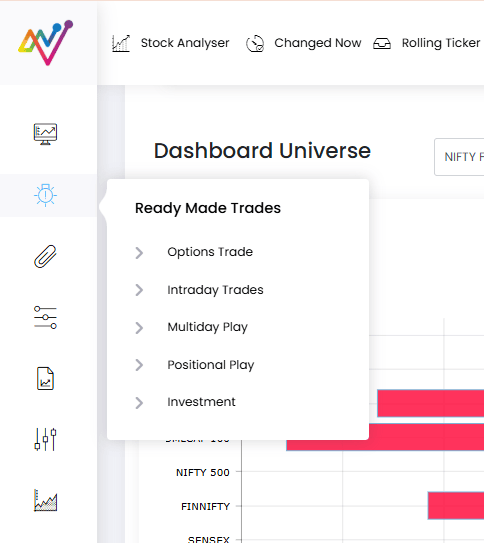
Depending on the setup, users can view:
• Entry information
• Target levels
• Stop-loss information
Stock Analyzer can also provide technical levels for deeper analysis. A structured trade review should examine the action level, potential targets and stop-loss together rather than focusing only on the entry. This is important because a trade is not just an entry.
Entry + Target + Risk
All three should be considered before execution.
Risk-Reward Comes Before Execution
Suppose the technical stop-loss is far away from the entry. The trade may still look attractive directionally. But the amount at risk may not be appropriate for you. You have three possible responses:
1. Reduce the Position Size
A smaller quantity can reduce the total capital at risk while keeping the technical stop-loss unchanged.
2. Wait for a Better Entry
A more favorable entry may reduce the distance between the entry price and the technical invalidation level.
3. Avoid the Trade
If the risk remains unsuitable, skipping the setup is a valid decision. Assess the distance between the entry and technical stop-loss before executing the trade.
Direction Alone Does Not Make a Trade Suitable
The risk must also fit your trading plan.
Stop-Loss and Position Size Work Together
The location of the technical stop-loss helps determine how much you could lose per share. The position size then determines the total capital at risk. For example:
| Trade Detail | Value |
|---|---|
| Entry | ₹500 |
| Technical stop-loss | ₹490 |
| Risk per share | ₹10 |
| Quantity | 50 shares |
| Total planned risk | ₹500 |
If the technical stop-loss is wider, the position size may need to be smaller. The correct sequence is:
Find the Technical Stop-Loss → Calculate Risk per Share → Decide Quantity
Not:
Choose Quantity First → Adjust Stop-Loss to Fit
A stop-loss should not be placed at an illogical chart level only to accommodate a larger position.
Don’t Move the Stop-Loss Just Because You Don’t Want to Exit
Consider this situation:
• Entry: ₹500
• Planned Stop-Loss: ₹490
The price reaches ₹491. The trader says: “Support is actually at ₹485.”
The price reaches ₹486. The trader says: “The long-term story is still good.”
The stop-loss keeps moving because the trader does not want to accept that the original trade failed. That defeats its purpose. If the technical reason for entering no longer exists, changing the stop-loss should require a new analytical reason—not an emotional one.
Moving the Stop-Loss to Avoid a Loss Only Increases the Original Risk
What Happens After the Trade Moves in Your Favor?
Risk management does not end after entry. Broker-side targets and stop-losses still need to be actively managed by the user. NeoTrader’s one-click integration can send the initial entry order, but target and trailing-stop decisions remain part of the trader’s execution and risk-management process.
This distinction matters.
Technology Can Support the Decision, but the Trader Remains Responsible for Trade Management
Any decision to trail the stop-loss should be based on a defined process, such as changes in price structure or the trading plan—not fear of giving back profits.
Use the Dashboard Before Entering the Trade
The NeoTrader Dashboard can provide useful market context before entry. If market breadth is weakening rapidly or the relevant sector has reversed, the individual stock setup may require reassessment.
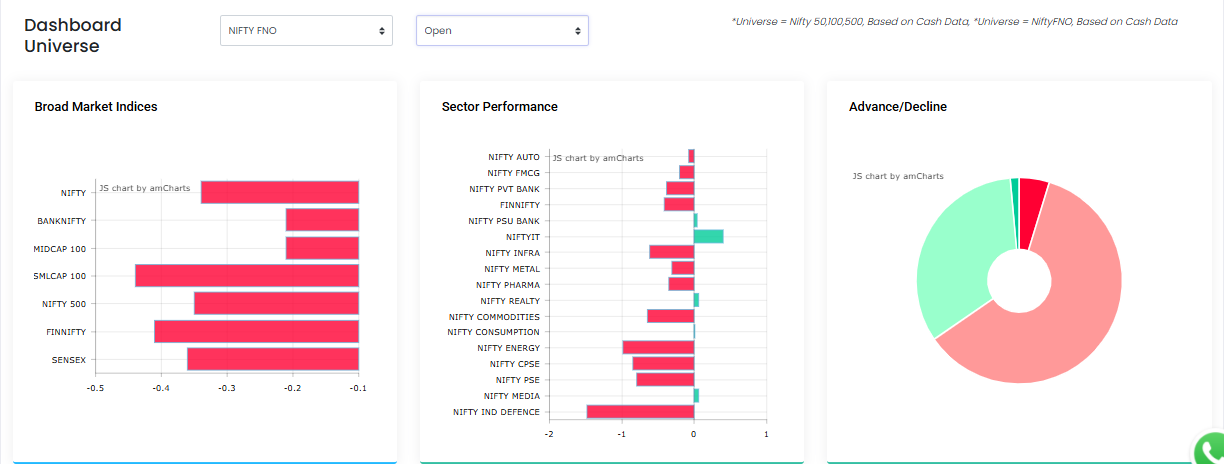
The Dashboard’s market-breadth and heat-map views help users understand whether broader conditions remain supportive. The stop-loss belongs to the individual trade. But market context helps you understand the environment in which that trade is operating.
Market Context → Stock Structure → Entry → Stop-Loss → Position Size
A Simple Stop-Loss Checklist
Before entering a trade, ask:
1. Why Am I Taking This Trade?
Clearly identify the technical reason behind the entry.
2. Where Does That Reason Become Invalid?
Find the price level where the original analysis would no longer remain valid.
3. What Is the Distance From Entry to Stop-Loss?
Calculate the risk per share or contract.
4. How Much Capital Will I Lose If the Stop Is Hit?
Use the stop-loss distance and quantity to calculate the total planned risk.
5. Does the Expected Reward Justify the Risk?
Compare the potential target with the amount being risked.
6. What Quantity Fits My Risk Limit?
Decide the position size only after understanding the technical risk.
7. Who Will Manage the Order?
Know how the stop-loss, target and any trailing-stop decisions will be managed through the broker terminal.
Common Stop-Loss Mistakes
Avoid:
• Deciding the stop-loss after entering
• Using the same percentage for every setup without technical context
• Placing the stop too close to normal price movement
• Widening the stop because the trade is losing
• Increasing quantity before calculating total risk
• Treating the stop-loss as optional
• Assuming that a good stock cannot hit the stop-loss
A stop-loss does not guarantee protection at the exact intended price in every market condition. But defining risk before entry is still an essential part of a structured trading process.
Conclusion
A stop-loss is not a punishment for being wrong.
It Is Part of the Original Trade Design
The best time to decide where a trade becomes invalid is before entering, when emotion is comparatively low. NeoTrader helps provide structured entry, target and stop-loss information through Ready-Made Trades and Stock Analyzer.
But risk management remains the user’s responsibility. Before pressing Buy or Sell, know:
• Where Am I Entering?
• What Am I Expecting?
• Where Will I Accept That My Original Analysis Is No Longer Valid?
That is what makes a stop-loss part of a trading process—not merely an emergency exit.
Understand Entry, Target and Stop-Loss Levels
Want to see how entry, target and stop-loss levels are presented inside NeoTrader? Book a live platform walkthrough with our team.
(Disclaimer: For educational and informational purposes only. Trading and investing involve market risk. Stop-loss orders may not always execute at the intended price during gaps, high volatility or limited liquidity. NeoTrader supports technical analysis and risk planning; it does not eliminate market risk.)
Like what you see? Share with a friend.


