









Intraday Trading vs Swing Trading: Which Trading Style Fits Your Available Time?
Do You Actually Have Time for Intraday Trading?
Many people enter the stock market assuming that intraday trading is the default form of trading.
• Open the market at 9:15 AM
• Watch every candle
• Monitor the Nifty 50
• Track the news
• Find entries
• Manage stop-losses
• Exit before the market closes
That can work for someone who has the required time and attention.
But what if you are:
• Working a full-time job
• Running a business
• Attending meetings
• Unable to monitor the market continuously
Then the question should not be:
“How do I somehow manage intraday trading?”
It should be:
“Which trading style actually fits my life?”
Whether someone chooses Intraday, Multi-Day or Positional trading should partly depend on the amount of time they can realistically give to the market.
What Is Intraday Trading?
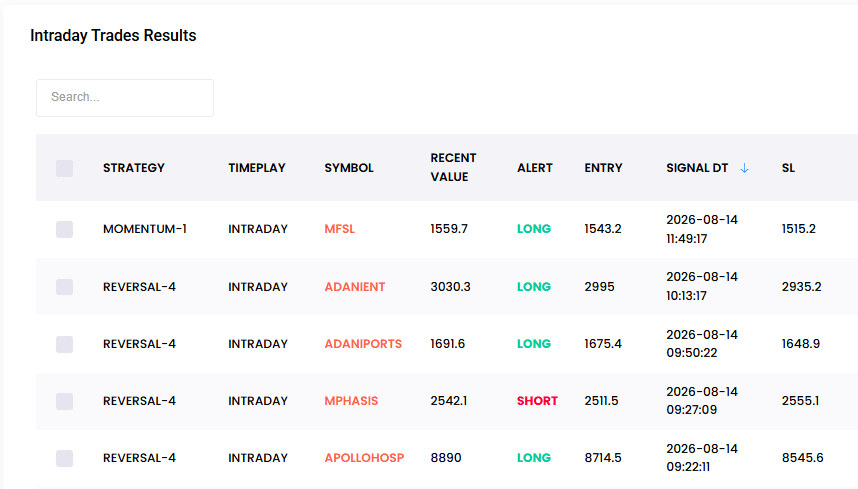
Intraday trading involves entering and exiting a position within the same trading day.
Because the holding period is short, market movement usually needs to be monitored more actively.
Intraday traders may need to watch:
• Overall market direction
• Sector movement
• Entry confirmation
• Stop-loss levels
• Intraday support and resistance
• Changes in momentum
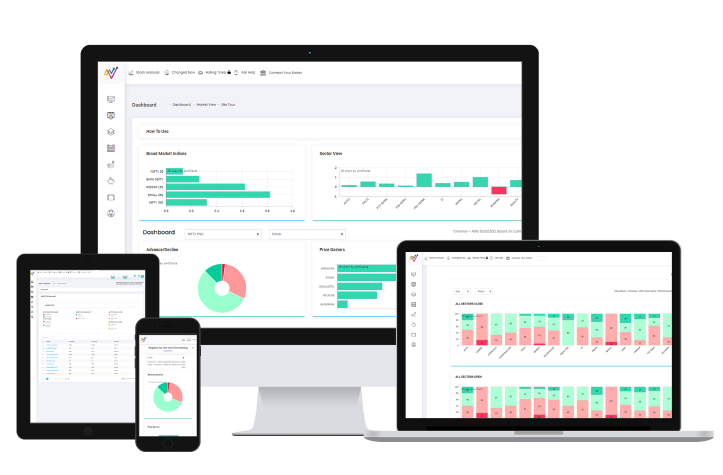
NeoTrader has dedicated intraday workflows, including Ready-Made Trades and short-term technical tools.
The platform separates Intraday, Multi-Day and Positional opportunities rather than treating every user as the same type of trader.
What Is Swing or Multi-Day Trading?
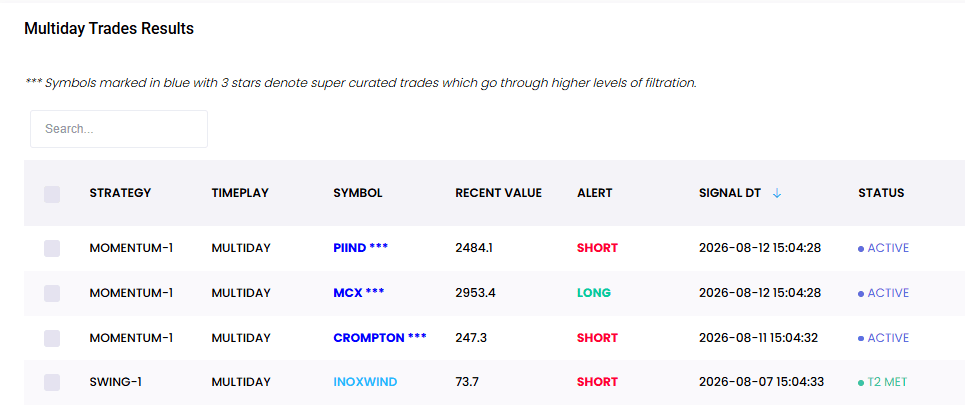
Swing or Multi-Day trading attempts to capture a market move over several sessions rather than a few hours.
The timeframe changes.
Therefore, the type of market noise you focus on also changes.
Intraday analysis naturally uses shorter technical periods, while a Multi-Day process can shift towards broader timeframes and corresponding Multi-Day levels.
This is particularly relevant for working professionals.
You may not need to react to every five-minute candle.
But you still need:
• A valid setup
• Defined risk
• An appropriate holding period
• Periodic monitoring
Swing trading may offer a longer decision-making window, but it still requires a structured process and active risk management.
What About Positional Trading?
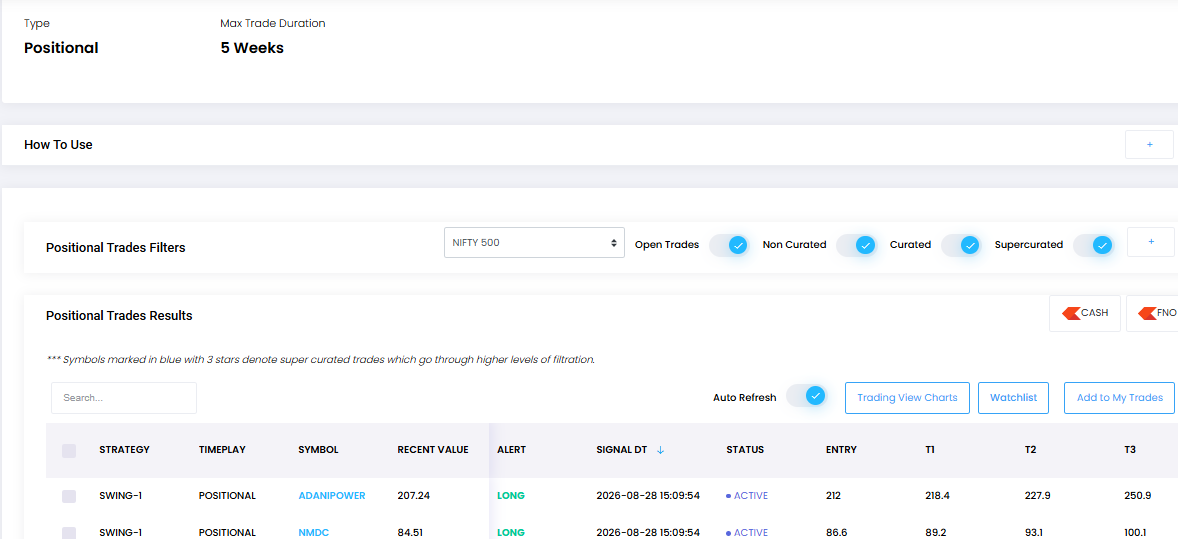
NeoTrader also separates Positional Play from shorter-duration trading.
This allows traders who prefer broader market movements to study opportunities over a longer horizon. Positional trading generally focuses less on short-term intraday fluctuations and more on the broader trend.
The important lesson is:
Trading style should follow your constraints—not your FOMO.
Your available time, risk tolerance, and ability to monitor the market should influence the type of trading you choose.
Intraday vs Swing vs Positional Trading
| Factor | Intraday Trading | Swing/Multi-Day Trading | Positional Trading |
|---|---|---|---|
| Typical holding period | Within the same trading day | Several trading sessions | Longer-duration market moves |
| Monitoring requirement | More active | Periodic | Comparatively less frequent |
| Primary focus | Short-term price movement | Multi-day trend and momentum | Broader market trend |
| Common timeframes | Lower intraday timeframes | Intraday and daily charts | Daily and higher timeframes |
| Overnight exposure | Generally avoided | Present | Present |
| Suitable for | Active market participants | Traders with limited market hours | Traders following broader moves |
| Main requirement | Continuous attention and fast decisions | Planned reviews and patience | Broader analysis and longer holding capacity |
No trading style is automatically better than another.
The right choice depends on whether you can execute it consistently.
Don’t Convert an Intraday Trade Into a Swing Trade Because It Is Losing
This is one of the most common behavioural mistakes.
A trader starts with:
“This is an intraday trade.”
The price moves against them.
Suddenly, the decision changes:
“Actually, I think I’ll hold it until tomorrow.”
Tomorrow becomes next week.
An intraday trade quietly becomes an investment.
This is not a trading strategy.
It is a way of avoiding the original decision.
Before entering a trade, define:
• What type of trade is this?
• How long am I willing to hold it?
• Where does the original idea become invalid?
• What will I do if the trade moves against me?
NeoTrader’s different Ready-Made Trade categories make these holding-period distinctions explicit.
A trade should be managed according to the timeframe and conditions under which it was originally selected.
Your Stop-Loss Should Match the Trade You Are Taking
A stop-loss that makes sense for a five-minute intraday setup may be completely inappropriate for a weekly swing setup.
An important risk-management principle is:
A stop-loss represents the point where your original analysis has been invalidated.
That is a more useful definition than choosing an arbitrary rupee amount.
The correct stop-loss structure may change according to:
• The trading timeframe
• The entry setup
• Market volatility
• Nearby support or resistance
• The intended holding period
NeoTrader provides technical levels based on the trade category, but users remain responsible for managing their orders and stop-losses through their broker.
The trade horizon, technical level and risk-management plan should support one another.
How NeoTrader Can Fit Different Trading Schedules
If You Are an Active Intraday Trader
You may focus on:
• Dashboard
• Market View
• Sector conditions
• Shorter-timeframe scans
• Rolling Ticker
• Intraday Ready-Made Trades
• Stock Analyzer
• Defined entry, stop-loss and target levels
This workflow is more relevant to users who can actively follow market movements and manage their trades during market hours.
If You Are a Working Professional

You may prefer:
• Multi-Day Play
• Broader-timeframe analysis
• End-of-day reviews
• Focused watchlists
• Fewer but longer-duration setups
• Periodic monitoring instead of constant screen time
This workflow can provide more time to review opportunities without reacting to every short-term movement.
If You Prefer Broader Market Moves
Positional sections may be more relevant.
A positional approach can help users study broader trends and opportunities with a longer holding horizon.
This is also why NeoTrader’s sales process asks users whether they trade Intraday, BTST, Swing, Positional or Investment—and how much time they can realistically dedicate to the market.
The right product workflow depends on the person using it.
More Screen Time Does Not Automatically Mean Better Trading
This is particularly important for working professionals.
You do not necessarily need to watch charts for six hours to make more structured trading decisions.
Sometimes excessive monitoring can create:
• Overtrading
• Unnecessary entries
• Repeated strategy changes
• Emotional reactions to normal price movement
• Difficulty following the original plan
A focused routine may be more useful.
Before the Market
Understand the broader market context.
During Your Available Window
Review your shortlisted stocks and relevant setups.
Before Entry
Check technical confirmation, risk and the intended holding period.
After the Trade
Review whether the setup and trading plan were followed correctly.
NeoTrader’s broader product and learning framework is built around the idea of a repeatable workflow rather than scattered analysis.
Choose a Trading Style You Can Execute Consistently
A useful principle is:
Trading is not about collecting more strategies. It is about building a process you can understand and execute consistently.
That principle applies directly to trading style.
A thinking trader does not only ask:
“Which trading style can generate the biggest returns?”
They ask:
“Which trading style can I realistically execute with discipline?”
That may be Intraday.
It may be Multi-Day.
It may be Positional.
The answer will be different for different people.
A Practical Trading-Style Checklist
Before choosing a trading style, ask:
1. How Much Time Can I Give the Market?
Can you monitor the market actively, or are you only available during limited periods?
2. Can I Manage Trades During Market Hours?
If meetings or work commitments prevent you from checking positions, active intraday trading may be difficult to manage.
3. Am I Comfortable With Overnight Risk?
Multi-Day and Positional trades can carry exposure beyond the current trading session.
4. Which Timeframe Can I Analyse Properly?
Choose a timeframe that allows you to review the market without rushing.
5. Can I Follow the Same Process Consistently?
The trading style should be realistic enough to follow repeatedly—not only when your schedule is convenient.
6. Does the Trade Match My Risk Comfort and Capital?
Available capital and risk tolerance should also be considered before selecting a trading approach.
Conclusion
There is no single trading style that fits everyone.
Intraday trading requires more active attention.
Swing or Multi-Day trading provides a longer holding window.
Positional trading focuses on broader market movements.
The most suitable choice should depend on:
• Your available time
• Your ability to monitor the market
• Your risk comfort
• Your capital
• Your preferred holding period
• Your ability to follow a consistent process
NeoTrader supports this by separating Intraday, Multi-Day and Positional workflows rather than forcing every user into the same trading approach.
Don’t fit your life around the software.
Use the software according to the trading style that fits your life.
Find the NeoTrader Workflow That Fits Your Schedule
Not sure which NeoTrader workflow suits you?
Book a personalised product walkthrough and let our team demonstrate Intraday, Multi-Day and Positional usage based on your trading style.
(Disclaimer: For educational and informational purposes only. Trading and investing involve market risk. No trading style guarantees profitability. Users should choose a trading approach based on their available time, risk tolerance, capital and ability to manage positions. NeoTrader supports technical analysis and decision-making; it does not eliminate market risk.)
Like what you see? Share with a friend.


